
Yagasaki Dental Center
Family, cosmetic and laser dentistry on Crenshaw Boulevard in Torrance.
Office hours
Monday to Friday, 9:00 AM to 5:00 PM. Wednesday until 1:00 PM.
Call the office
Tell us what you need, and our staff will find a time that works for you.
424-538-4752Visit us
23601 Crenshaw Blvd.
Torrance, CA 90505
Insurance
Most plans accepted, plus all major cards and CareCredit.
Plans we work withTreatments
16 treatments, from cleanings to implants.
Bonding
Repairs cracks, chips and gaps with tooth-colored resin.
Learn moreVeneers
Thin shells placed over the front of a tooth.
Learn moreWhitening
Whitening in the office in one visit, or with trays at home.
Learn moreInvisalign
Clear, removable aligners with no wires or brackets.
Learn moreOrthodontics
Brackets and a wire to straighten teeth and align the jaw.
Learn moreFillings
Tooth-colored fillings for decay or a fracture.
Learn moreInlays and onlays
Lab-made restorations that blend into the natural tooth.
Learn moreCrowns
Ceramic or gold crowns for decayed, broken or cracked teeth.
Learn moreRoot canal
Treats an inflamed or infected pulp so you keep the tooth.
Learn moreImplants
Posts that replace the roots of missing teeth.
Learn moreBridges
Replaces missing teeth between two healthy teeth.
Learn moreDentures
Replaces some or all of your natural teeth.
Learn moreHygiene
Cleanings, sealants and fluoride for adults and children.
Learn morePeriodontics
Treatment for gum disease, from bleeding gums on.
Learn moreDigital X-rays
Less radiation than film, and no processing chemicals.
Learn moreLaser dentistry
Many procedures without needles or numbness.
Learn moreAt the office
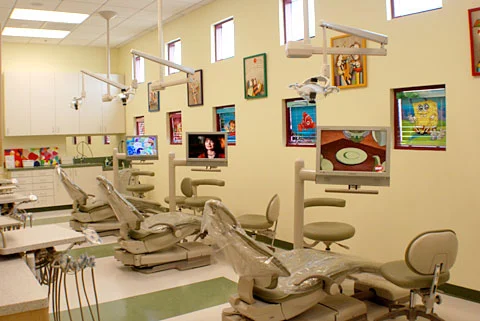
Laser dentistry
The laser uses water and laser energy, so many procedures need no needles or numbness. How it works
Digital X-rays
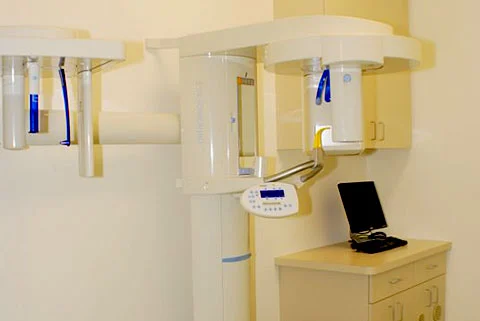
Digital X-rays use less radiation than film and need no processing chemicals.
Four languages
Our dentists speak English, Japanese, Tagalog and Mandarin.
Insurance and payment
Most insurance plans, all major cards, and financing through CareCredit.
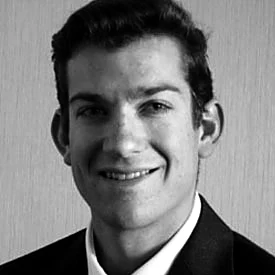
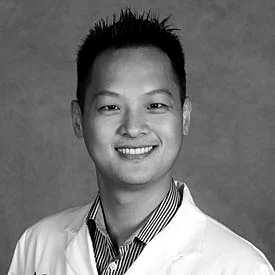
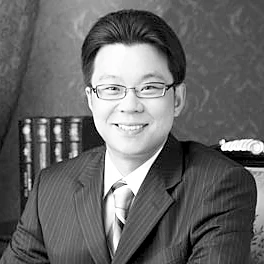
Our dentists
Five dentists, including an orthodontist, a prosthodontist and a periodontist.


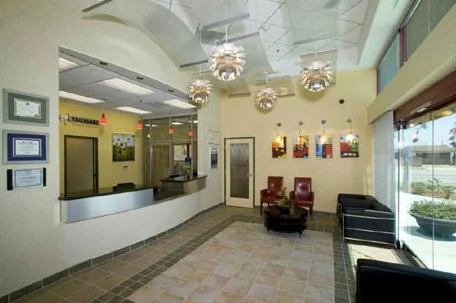
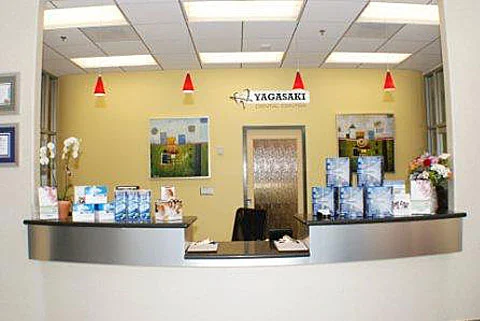
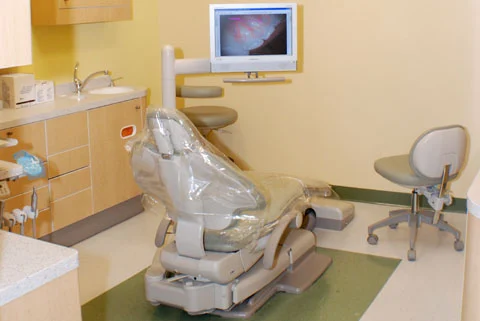
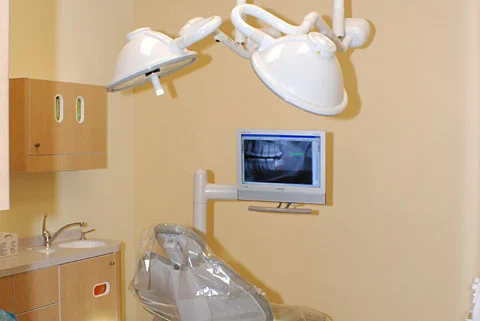
Inside the office
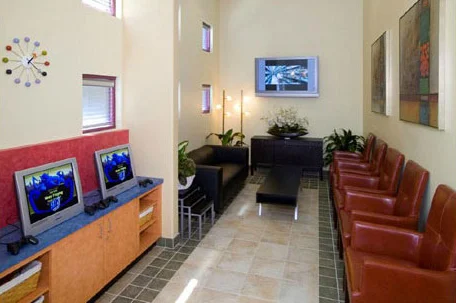
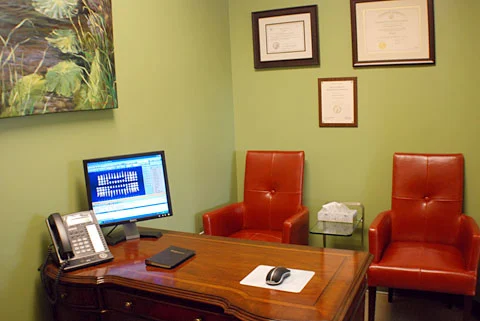
The reception area, treatment rooms and X-ray room at 23601 Crenshaw Blvd.
What patients wrote
35 notes from patients.
Dr. Jerly is my favorite. She's extremely nice and caring to me and my family. She helps me to understand all of my treatment. She has a gentle hand and is very professional.
Very friendly and professional staff. Everyone made me feel very welcome at my first visit and made me very comfortable. Thank you!
This is by far my best dental visit in my life. No pain, excellent staff and I was pampered the entire time. I love this place! Thank you!
Everything was great! For someone very afraid of doctor's and dentist it was a great experience. Thank you!
Excellent. I will tell everyone who is hesitant to visit a dentist to visit Yagasaki Dental Center.
I appreciate the anesthetic application and it's painless injection! Thank you!
Common questions
How often should I see my dentist?
You should visit your dentist at least every six months or more frequently to get your teeth cleaned. By seeing your dentist twice a year, your dentist can monitor your oral health and help you prevent any problems that may arise before they became uncomfortable or require more comprehensive or expensive treatment. The dentist may suggest more frequent visits, depending on the diagnosis.
At what age are my children supposed to see a dentist?
The general rule is between 18 and 24 months. Some children require a bit more time to be comfortable. If an area of concern is noticed, then the child should see a dentist as soon as possible.
What are dental implants and how do they work?
Dental implants are substitutes for natural tooth roots and rely on the jawbone for support. Strategically placed, implants can now be used to support permanently cemented bridges, eliminating the need for a denture. The cost tends to be greater, but the implants and bridges more closely resemble real teeth.
What is a root canal?
A root canal is a procedure done to save the damaged or dead pulp in the root canal of the tooth by cleaning out the diseased pulp and reshaping the canal. The canal is filled with gutta percha, a rubberlike material, to prevent recontamination of the tooth. The tooth is then permanently sealed with possibly a post and/or a gold or porcelain crown. This enables patients to keep the original tooth.
Does bleaching damage the teeth?
No. When carbamide peroxide, the active whitening agent, contacts water, hydrogen peroxide is released which whitens the teeth. Bleaching does not soften, demineralize or weaken the teeth.
What causes gum disease?
Gum (periodontal) disease is caused by bacteria. These bacteria, if left along the gumline, will irritate the gums and cause an inflammation reaction. The gums then begin to bleed and swell allowing the bacteria to go deeper under the gumline. If the inflammation is allowed to continue, the bone will begin to demineralize and dissolve. As the bone dissolves around the teeth, the teeth become unsupported and will fall out. Unfortunately, pain does not occur until the final stages of the disease and treatment at that time has very little chance of being successful. If your gums bleed regularly, seek treatment as soon as possible.
Request an appointment
Send your preferred date and our staff will contact you to schedule. Or call the office during business hours.